
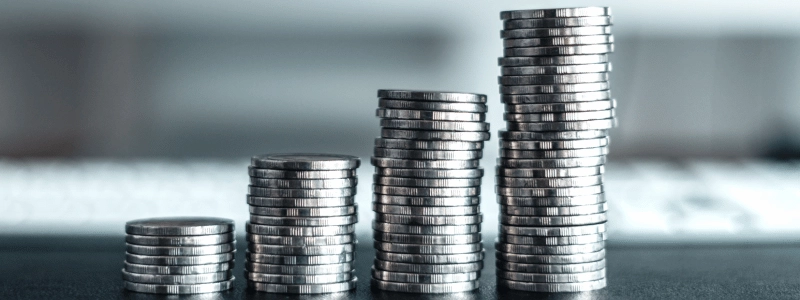
Silver metal has long been in the shadow of gold. In 2025, silver could make a comeback on the metals scene, buoyed by a +25% performance since January 1. Against a backdrop of geopolitical tensions, energy transitions and more accommodating monetary policies, many investors are wondering: will silver see a historic surge in price? And if so, when and why?
According to the Silver Institute, the silver market is in a state of chronic shortage. This imbalance is largely explained by the growing demand for silver in electronics, boosted by artificial intelligence, but also in photovoltaics, and so on. And production difficulties are adding further tension to the market. In this article, we attempt to demonstrate why 2025 could be a major turning point for the silver market.
ARTICLE SUMMARY :
- 1) Towards a silver comeback in 2025?
- 2) A silver shortage in 2024
- 3) What's the outlook for 2025?
- 4) Towards a return to silver investment?
- 5) What price for silver in 2025?
- 6) Silver: a metal for the future
1) Towards a silver comeback in 2025?
Ten years ago, the gold/silver ratio was around 70: in other words, it took around 70 ounces of silver to acquire one ounce of gold. Today, this ratio exceeds 90, illustrating silver's notable underperformance relative to gold, particularly since 2021. This development raises a central question for many investors: is silver permanently devalued, or is it poised to regain a strategic place among precious metals?
Several fundamental factors militate in favor of a silver comeback:
- Strong growth in industrial demand, driven by the electronics, photovoltaics and energy transition sectors.
- A rebound in demand for jewelry and silverware, particularly in certain emerging economies.
- Renewed investor interest in coins and bullion in the event of monetary policy easing or renewed financial uncertainty.
- Structural difficulties on the supply side, particularly in Latin American producing countries.
However, several fragile factors may temper this dynamic:
- A global economic slowdown, likely to weigh on industrial demand.
- Slower-than-expected growth in silver-using sectors.
- Resilient mining production, which would limit upward pressure on prices.
Historically, silver has been more volatile than gold, but it also outperforms during periods of economic expansion and when the gold price is rising. This duality makes silver a strategic metal, at the crossroads of industrial and monetary trends.

2) A shortage of money in 2024
The year 2024 marks a crucial milestone for the silver market, which continues to reflect a persistent imbalance between supply and demand. According to data published by the Silver Institute in its World Silver Survey, global mine production in 2024 reached 819.7 million ounces (Moz), up a moderate 1% on 2023. Global supply, meanwhile, reached 1,015.1 Moz, an overall increase of 2%, of which recycling contributed 193.9 Moz, up +2%.

Source: World_Silver_Survey-2025.pdf
Demand was marked by strong industrial momentum, reaching 680.5 Moz - an all-time record! The photovoltaic sector alone accounted for 197.6 Moz, or almost 17% of all global demand for grey metal, while the electronics and automotive sectors continued to grow. Finally, physical investment in the form of coins and ingots reached 190.9 Moz, while net demand for ETFs recovered to 61.6 Moz, after a significant pullback in 2023.
Against total demand of 1,164.1 Moz, the silver market thus recorded a deficit of 148.9 Moz. This deficit remains significant despite a slight increase in supply. The rise in the silver price to $28.27/oz by the end of 2024 (from $23.35/oz in 2023) reflects this increased pressure, and is set to continue...
3) What's the outlook for 2025?
The year 2025 should prolong the structural imbalances in the silver market. The Silver Institute anticipates a global supply of 1,030.6 Moz, up 2% on 2024, driven by estimated mine production of 835 Moz (+2%).
On the demand side, total industrial use is forecast at 677.4 Moz, down slightly (-0.5%) despite continued investment in solar (195.7 Moz) and electronics. Jewelry is also expected to decline to 196.2 Moz (-6%), and silverware to 46.0 Moz (-15%), reflecting a form of saturation or repositioning in Asian markets in particular.
However, investment demand is expected to rebound to 204.4 Moz for coins and ingots, reflecting renewed interest in tangible assets against a backdrop of low real interest rates and latent inflationary pressures. Net investment in ETPs is forecast to rise to 70 Moz, which would amplify tension on the physical market.
Overall, demand should reach 1,148.3 Moz, suggesting a deficit of 117.6 Moz, or 187.6 Moz excluding ETPs. In short, despite apparent stabilization, the silver market remains chronically undersupplied, likely to trigger a prolonged and potentially accelerated price rise from the second half of 2025.

4) Towards a return on cash investment?
In the USA, silver investment in coins and bullion is at its lowest level since 2019, down almost 50% on 2023. Coin investment is still favored by investors, although bullion investment can sometimes take over. These coins and ingots are often half from resale and half from manufacturing. This decline in investment demand for silver can also be observed in India, Germany and Australia.
This disinterest in silver in 2024 is reflected in the gold/silver ratio, which exceeds 90 in June 2025 (90 ounces of silver for 1 ounce of gold). This ratio suggests that silver remains "undervalued" in relation to gold, suggesting a potential catch-up of over 30% if silver were to realign itself with the average ratio observed over the previous decade.
A rise in the silver price may therefore reactivate strong investment demand, which would further support a structural rise in the metal.
5) What price will silver fetch in 2025?
Institutions such as Citigroup and Bank of America are forecasting a silver price of around $40 per ounce in the second half of 2025, with the potential to rise to $46 in the third quarter. This scenario is not unrealistic: it simply corresponds to the all-time record set in 2011.
Unlike other industrial and precious metals, the price of silver remains well below its previous peaks. Under current market conditions, it is quite conceivable that the upward momentum will continue and lead to a surpassing of past records. Added to this is a fundamental element: the cumulative deficits since 2021, in excess of 400 million ounces, have significantly reduced available stocks worldwide. If demand remains strong, or even accelerates, the physical market could come under pressure, triggering a speculative surge in prices.
According to the Silver Institute, a key factor likely to trigger this investment demand would be a decision by the US Federal Reserve (FED) to begin cutting its key interest rates in the coming months. This monetary stance would be prompted both by slowing inflation in the United States and by growing signs of economic fragility. In such a context, silver metal would regain its appeal as a safe-haven asset, while benefiting from structural support from industry.
"In the future, anticipated interest-rate cuts in the United States, combined with a high level of economic and geopolitical uncertainty, will have a major impact on the market.of economic and geopolitical uncertainties, should continue to support investment in gold and silver. A persistently high gold/silver ratio should also work in the latter's favour, as some investors may consider the white metal to be undervalued.
However, if economic policy shocks in the USA become less frequent, an end to Fed rate cuts is in sight and the US economy avoids a recession, the gold market will continue to benefit from a strong gold price.conomy avoids a recession, then demand for defensive assets could start to slow over the course of the year."
Source: World_Silver_Survey-2025.pdf
6) Silver: a metal for the future
Silver is a singular metal, both precious and industrial, which distinguishes it fundamentally from gold. Over the past ten years, the continuing growth in industrial demand has profoundly transformed the silver market. This demand is driven by several strategic, technology-intensive sectors:
The photovoltaic sector, which consumed more than 197 million ounces (Moz) in 2024, due to the acceleration of solar installations worldwide.
Electric automobiles, where silver is used in contacts, batteries and connector systems.
Consumer electronics, including smartphones, sensors and smart devices, which incorporate multiple silver components.

Policy impetus in China, the USA and Europe continues to amplify this trend. In addition, projections for the use of silver in photovoltaics and hybrid and electric automobiles point to considerable growth over the next few years. At the same time, demand for physical investment should remain solid. Despite net withdrawals from ETFs at the start of the year, these products could make a comeback if silver prices resume their upward trajectory.
Conclusion
After several years spent in the shadow of gold, silver metal now seems to be regaining a central place in investment strategies. This renewed interest is due to a combination of fundamental factors: structural shortages in the physical market, booming industrial demand, tensions over mining production and expectations of a more accommodating monetary policy in the United States.
The Silver Institute points out that strong growth in industrial consumption, driven by technology-intensive sectors such as photovoltaics, electronics and electric cars, is now far outstripping production capacity. The cumulative deficit since 2021, in excess of 400 Moz, has eroded available inventories, creating the conditions for a genuine bull market reversal.
If US interest rates were to fall permanently, the white metal would also regain its status as a safe-haven asset. Another strong argument is its valuation gap with gold, illustrated by a historically high gold/silver ratio of around 90. This imbalance suggests significant potential for silver to catch up to its previous highs. However, an economic slowdown could dampen industrial demand and investor interest.
By La rédaction Godot & Fils
Passionate and expert in the field of buying and selling precious metals, we put our expertise at your service to offer you in-depth analyses of gold and silver financial news. Driven by the desire to provide you with clear, reliable and relevant information, we ensure that each piece of content is both precise and concise. Our aim is to help you better understand market trends so that you can make informed decisions about your investments. Through our articles, we offer practical advice, decoding of major economic events and technical analysis to maximise your investment opportunities. Whether you are a beginner or an experienced investor, our content is designed to help you succeed in your precious metals investments. Follow us so that you don't miss out on any market developments and benefit from an expert's view of gold, silver and the economic dynamics that shape their value.
Receive the latest news by subscribing to the newsletter




 Australian Nugget Monster Box
 10 Francs Turin 1929 - 1939

 1 oz Platinum Bar


