
Gold bars and gold ingots Gold bars and gold ingots
IN THIS CHAPTER

At a time of economic instability, erosion of purchasing power and volatility in financial assets financial assets, investment in physical gold is enjoying renewed interest as a central pillar of any prudent wealth strategy.
This physical gold can take various forms, such as gold investment coins, bars or ingots. In this part of our guide, we'll be taking a closer look at ingots and bullion, as they occupy a prime position due to their purity, standardization and high liquidity.
Indeed, more than ever before, ingots and bullion appear to be simple, durable and independent of monetary systems as instruments of capital protection. They are not just an investment, but insurance against the uncertainties of the world.
BUT WHAT DO GOLD BARS AND INGOTS ACTUALLY REPRESENT ?
In the collective imagination, a bullion bar often evokes an imposing bar of gold, associated with central bank vaults or, for example, heist films. But the reality is more nuanced:
- Gold bullion can exist in several formats, from the most massive (over 10 kilograms), to the most accessible, such as the one-kilogram bullion, the reference standard for informed investors.
- Gold bullion is smaller and more manageable, ranging from one gram to 500 grams, and sometimes up to one kilogram, depending on commercial usage. It offers a diversity of formats and therefore accessibility (modularity and ease of purchase/resale) that is particularly prized by retail customers.
As you can see, the distinction between ingots and bullion is based not only on weight and size, but also on the use and type of investor. This is precisely what we're going to show you in detail in the following pages.
To do so, we'll detail their differences, their specific characteristics, their manufacturing process, their certification and their uses, to help you invest in this age-old golden metal.


 Britannia 1/2 Once Gold

 Bitpay 1 Ounce Silver
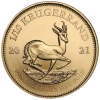
 Krugerrand 1/2 Oz Gold


