
SUMMARY :
- 1) Definition of a gold bar
- 2) Physical characteristics of gold bars
- 3) Size and weight of ingots
- 4) Manufacturing process of gold ingots
- 5) Authenticity and Certification of Ingots
- 6) Uses and investment value of gold bars

1) Definition of a gold bar
An ingot can be defined as a purified mass of gold cast or pressed into a rectangular shape. This gold is generally intended for :
- Storage
- Investment
- Industrial use
Bullion is produced by accredited refineries, often certified by bodies such as the LBMA (London Bullion Market Association). This guarantees compliance with international standards in terms of quality, ethics and traceability. Gold bullion is highly standardized. It is also recognized throughout the world, facilitating its liquidity and exchange.
The purity of an ingot is generally at least 995 ‰ (99.5%) if it weighs less than 1 kilo, although the most common investment ingots, gold bullion, are more expensive.most common investment bars, 1kg ingots are graded at 999.9 ‰ (i.e. 24 carats), which corresponds to virtually pure gold.
2) Physical characteristics of gold bars
A gold bar can be identified by several specific physical characteristics. The combination of these characteristics facilitates identification and ensures authenticity.
- Its weight is expressed in "troy ounces". It is also possible to express the weight of an ingot in grammage. One troy ounce is equivalent to 31.1035 grams.
- ITS DIMENSION may vary according to the ingot manufacturer and the weight assigned to the ingot. There is no standard international format. Generally speaking, a one-kilogram ingot will measure approximately 117x53x8 millimeters.
- ITS TITLE is a key element of a gold bar. This term is better known to the general public, especially in the jewelry industry, as "carat". This title is expressed in thousandths and is generally worth 995 ‰ or 999.9 ‰ for an ingot.
- ITS POINCON corresponds to a graphic mark inlaid on the ingot like a seal. This guarantees the metal's quality and purity.
- ITS SERIAL NUMBER is unique to each ingot.
- ITS MARK corresponds to an identification specific to the refinery involved in the ingot manufacturing process.
3) Ingot sizes and weights
As there is no reference model, there is a wide variety of ingot sizes. This variety enables us to meet the needs of both institutional and individual investors.
| Shape : | Weight : | Dimension : | Utility: |
|---|---|---|---|
| Good Delivery Bar ingot |
12.5 kg |
250 x 70 x 35 mm |
- Not very accessible to individuals due to its cost. - Reserved for funds and central banks. |
| Ingot "Standard | 1 kg | 117 x 53 x 8 mm | - Designed for institutional investors and high-net-worth individuals seeking to optimize the price per gram of a high-value asset. |
| Intermediate" ingot | 500 g | 80 x 40 x 8 mm | - More accessible and suited to individuals seeking a compromise between flexibility/liquidity and value. |
| Ingot | 250 g | 65 x 35 x 6 mm | - For investment |
| Ingot | 100 g | 55 x 31 x 4 mm | - For investment (very popular). |
| Ingot | 50 g | 50 x 30 x 2 mm | - For investment. |
| Lingotin | 1 ounce (31.103 g) | - | - Small investment. |
| Lingotin | 20 g | 40 x 23 x 1.3 mm | - Small investment. |
| Lingotin | 10 g | 31 x 18 x 1 mm | - Small placement. |
| Lingotin | 5 g | 23 x 14 x 0.8 mm | - Small placement |
| Lingotin | 1 g | 15 x 8 x 0.5 mm | - Gift of use |
4) Manufacturing process of gold bars
Strict standards apply in the industrial manufacturing process of a gold bar or ingot. Indeed, the most reputable manufacturers in this sector of activity such as MKS PAMP, Metalor, or Valcambi are accredited by the LBMA and follow a very precise and rigorous specification.
Gold refining:
Initially, gold extracted from mines or from recycling will be melted and purified to reach the highest possible degree of purity (up to 999.9 ).
Two main techniques are used:
- The Miller process involves blowing chlorine gas on and through molten gold to extract impurities from gold and achieve a purity of 99.5%.
- The Wohlwill process purifies gold to an unprecedented 99.99%. This result is made possible by using electrochemistry.
Manufacture of ingot:
At present, there are two main methods for building a bullion.
- The «cast» ingots are designed by pouring melted gold into a metal mould and then cooling. In fine, the appearance of the ingot appears more raw.
- The «struck» ingots are cut and pressed from gold plates (sheet rolling). This technique gives a sharper and more precise finish to the ingot.
Marking of ingot :
Each designed ingot is engraved with a serial number, the title (carat), the maker’s mark, and sometimes a date of manufacture.
Quality control :
A special feature of the lingotes, each is weighed, analyzed, visually inspected and sealed in blister with certificate.

5) Authenticity and certification of the ingots
The rigour of the manufacturing process and the authenticity of a bar are crucial issues. Indeed, they ensure the confidence of markets, banks and investors worldwide. Whether its weight is 10 grams or one kilogram, each ingot or ingot represents a stable and universally recognized fraction of wealth.
This is why international certifications exist and guarantee the quality, traceability and ethical origin of the metal.
Official certifications
Gold bullion that meets the “Good Delivery” standard is particularly sought after in professional markets, as this label, issued by the London Bullion Market Association (LBMA), ensures that the ingot has been produced by an accredited refinery and meets strict criteria for weight, purity and traceability.
These bars are accepted without reservation by central banks, financial institutions and major trading platforms.
Certificate of authenticity
For ingots, we usually find a laminated certificate stating the exact weight, purity, serial number and smelter.
Authenticity tests
Even in the presence of a certificate of authenticity, professionals ensure that the ingots are genuine by carrying out additional tests:
- Weighing and measuring in order to detect falsifications based on heavy metals such as tungsten.
- The magnetic test to detect a reaction and therefore a possible counterfeit. Indeed, pure gold is not magnetic.
- The use of advanced technologies such as ultrasound or XRF spectrometer to analyze the internal composition without altering the ingot.

6) Uses and investment value of gold bars
Gold is a safe haven that resists inflation, currency and geopolitical crises. Owning gold bullion allows you to secure a part of your wealth.
As such, always in a heritage perspective, the ingot or ingot is widely used as gift, present of use, gifts.
A gold bar or lingot is also an asset that allows you to diversify your wealth through direct holding and without counterparty risk linked to the banking system or issuers.
Gold also remains a highly liquid asset. Indeed, regardless of its weight, a bar can be easily resold through a financial institution, smelters or online. The more standardized the ingot, the easier it is to sell.
Finally, in addition to investment, gold bars are also useful as a strategic reserve for central banks around the world.

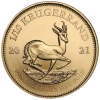
 Krugerrand 1/2 Oz Gold
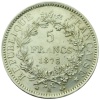
 Ecu Silver 5 Francs
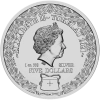
 Zodiac Series : Pisces 1 Oz Silver


